
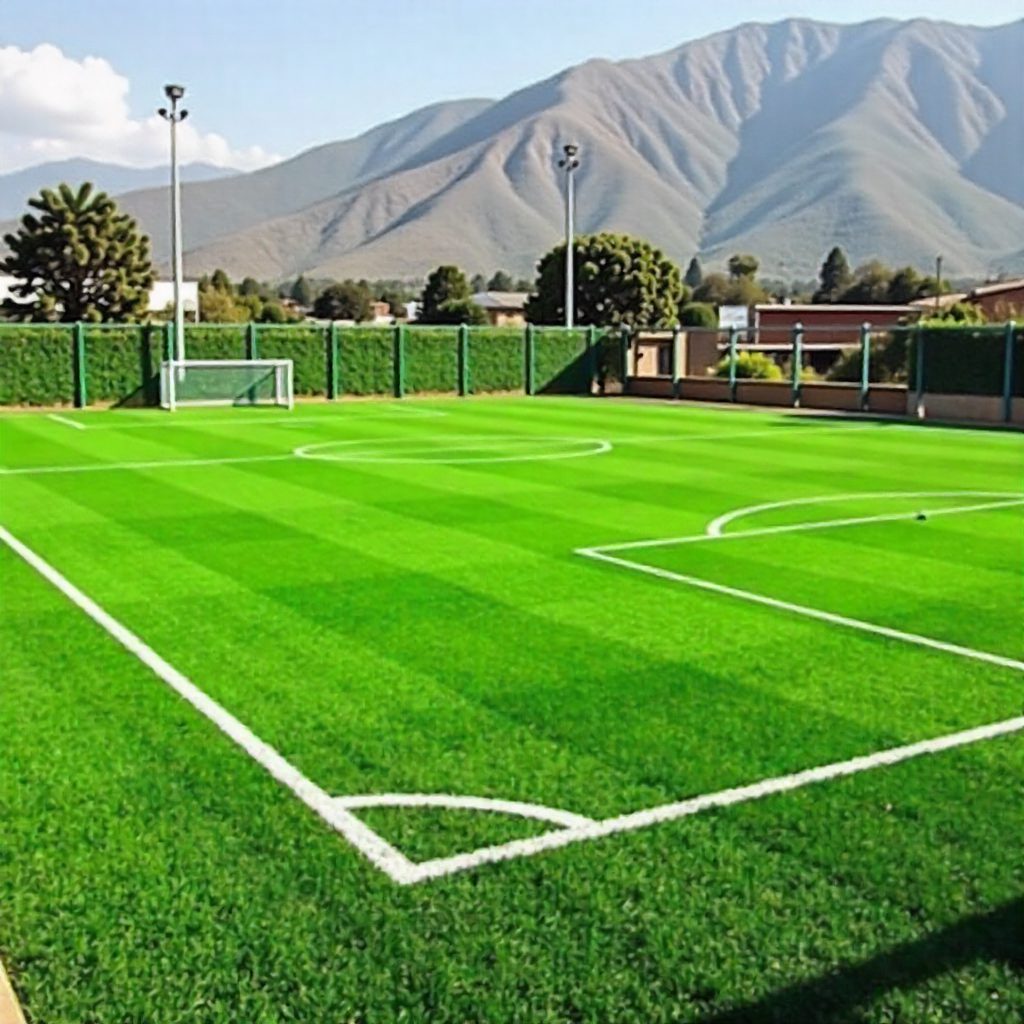
Why Instant Lawn for Sports Fields Makes Sense
Sports fields and school grounds take a beating. Hundreds of feet pound the same patches every single day. Seed simply cannot keep up with that pressure. An instant lawn for sports fields solves this problem fast. Mature turf arrives ready to use. It has a dense root system and a full grass canopy from day one. Schools and clubs rarely have long closures to spare. Terms are short and fixtures are fixed. Instant turf shortens the wait from months to weeks. At Turfgreen Group, we supply turf to schools, clubs and facility managers. This guide explains how instant lawn handles heavy foot traffic. It also shows how to get the best return from your investment.
What Is Instant Lawn?
Instant lawn is turf grown on a specialist farm. It is harvested in rolls or slabs. It is then laid directly onto prepared soil. The grass has already matured before it reaches your site. That is the key difference from seeding. A seeded field needs months of careful watering and protection. Instant turf is also more uniform. Every roll comes from a managed, weed-controlled crop. You get an even surface without bare patches or weed pockets. This consistency matters for sport. Uneven ground causes injuries. A dense, level surface gives players safer footing and predictable ball bounce.
The Real Problem: Heavy Foot Traffic
Foot traffic does more than flatten grass. It damages turf in several ways at once. First, it crushes leaf blades and growing points. Second, it tears the stems that spread the grass. Third, it compacts the soil beneath. Soil compaction is the silent killer of school fields. Compacted soil has fewer air pockets. Water runs off instead of soaking in. Roots struggle to grow deep. The result is thin grass, bare patches and mud. Goalmouths and centre circles are usually the first to fail. Walkways and playground edges follow soon after. Understanding these stresses helps us choose better solutions. The right turf, the right preparation and the right care all work together.
Choosing the Right Grass for Durability
Not every grass tolerates wear equally. Grass choice is the single biggest factor in durability. Warm-season grasses suit most South African sports facilities. They handle heat and strong sun well. Many also recover quickly from damage.
Kikuyu grass is a popular choice for heavy-use fields. It spreads aggressively through runners and stolons. That means it repairs worn areas quickly. It also forms a thick, resilient mat.
Bermuda grass, known locally as Cynodon, is another strong performer. It is widely used on sports pitches and golf courses worldwide. It tolerates close mowing and recovers fast from divots and studs.
Shade is a factor too. Some school grounds sit beneath buildings or large trees. Shade-tolerant varieties may suit those corners better. Turfgreen Group can match grass varieties to your site. We consider sunlight, soil, climate, and the sports you play. That guidance prevents costly mistakes.
Root Depth: The Secret to Wear Tolerance
Strong roots keep a field alive under pressure. Deep roots anchor the turf against studs and sliding tackles. They also reach water deeper in the soil. Shallow-rooted grass tears away easily. It also dries out faster in summer. Deeply rooted turf stays firm and green for longer. Quality instant turf arrives with a healthy root mat already formed. After laying, those roots knit into the soil below. This usually happens within a few weeks. Proper installation speeds that process. Good contact between turf and soil is essential. Air gaps stop roots from taking hold. This is why preparation matters so much. A great turf variety will still fail on poor ground.
Preparing the Ground for Heavy-Use Turf
Soil preparation is the foundation of every durable field. Skipping it is the most common and costly mistake. Start by clearing old grass, weeds and debris. Then loosen compacted soil to a good depth. Breaking up compaction lets roots and water move freely. Next, check drainage. Waterlogged fields become slippery and dangerous. They also suffer far more damage from foot traffic. Slopes, drainage lines or sand-based layers may be needed. Level the surface carefully. Even small dips collect water and wear unevenly. A tidy, firm seedbed gives turf its best start. Finally, improve the soil where needed. A soil test shows nutrient levels and pH. Adding compost or fertiliser at the right rates supports quick establishment. Professional guidance helps here. Organisations such as STRI publish research on sports turf construction and performance. Their principles apply well to local school and club fields.
Installation: Getting It Right From Day One
Timing and technique both affect durability. Lay turf as soon as possible after delivery. Rolls left stacked will heat up and yellow quickly. Lay each roll tightly against the next. Stagger the joints like brickwork. This reduces gaps and prevents erosion along the seams. Use a roller after laying to press the turf into the soil. This removes air pockets and improves root contact. On sloped areas, pegs can hold turf in place. Water immediately and thoroughly. The soil beneath should be wet to a good depth. Keep it moist during the first two weeks. Keep all traffic off the field during establishment. This is hard for busy schools. Fencing off sections or using barrier tape helps enormously. Most fields are ready for light use within a few weeks. Full competitive use should wait until roots are firmly anchored. A gentle tug test will tell you.
Maintenance That Protects Your Investment
Instant lawn gives you a head start. Ongoing care keeps it durable for years.
Mowing: Regular mowing encourages dense, sideways growth. Never remove more than one third of the leaf at once. Sharp blades give cleaner cuts and healthier grass.
Feeding: Heavily used turf needs regular fertiliser. Nutrients fuel the recovery that wear demands. A seasonal feeding programme works well for most facilities.
Aeration: Aerating relieves compaction. Small holes let air, water and nutrients reach the roots. Do this at least once a year on busy fields. Twice is better for intensive use.
Overseeding and patching: Goalmouths and high-traffic zones may need extra help. Patch with fresh turf where damage is severe. This is another advantage of instant lawn. Repairs blend in quickly.
Rotating use: Move goalposts, practice zones and training drills regularly. Spreading wear across the field gives damaged areas time to recover.
Smart Watering for South African Conditions
Water is precious, especially in Gauteng and other dry regions. Efficient irrigation protects both your turf and your budget. Water deeply but infrequently once the lawn is established. This pushes roots downward. Frequent shallow watering creates weak, shallow roots that fail under traffic. Water early in the morning. Evaporation is lower and wind is calmer. Avoid watering at midday or late evening. Consider a timed irrigation system with a rain sensor. It prevents waste and ensures consistent coverage. Check sprinkler heads regularly for blockages and leaks. Follow local water-use guidelines as well. The Department of Water and Sanitation provides national information on water management. Rand Water also offers practical water-wise advice for Gauteng users. Well-chosen warm-season grasses use water more efficiently than many alternatives. This suits our climate and keeps running costs down.
Safety and Performance Benefits
Durable turf is also safer turf. Dense grass cushions falls and reduces friction injuries. Thin, bare fields harden into rock-like surfaces. A well-maintained instant lawn for sports fields gives better traction. Players can change direction confidently. Balls roll true and bounce consistently. Dust and mud also fall sharply. Clean, green grounds improve the school experience. Fewer players track dirt into classrooms and changing rooms. Turf also cools the environment. Grass lowers surface temperatures compared with bare soil or hard surfaces. This makes playgrounds more comfortable in summer. For schools, these benefits go beyond sport. Attractive grounds build pride and improve first impressions for parents and visitors.
Cost and Value Over Time
Instant turf costs more upfront than seed. Yet it often saves money across the full project. Seeded fields need weeks of protection and repeated repairs. Failed germination wastes time and budget. Weeds can invade bare soil before grass covers it. Instant lawn avoids those risks. You get immediate cover, fewer weeds and faster use. Facilities lose less time to closures. Durable turf also needs fewer full replacements. Good maintenance extends the field’s life by many years. Quick patch repairs cost far less than rebuilding. When you compare lifetime costs, instant lawn is often the smarter choice. It protects your budget and your reputation.
Why Choose Turfgreen Group
Choosing a supplier matters as much as choosing a grass. Quality, freshness and expert advice all affect results. Turfgreen Group understands the demands of sports fields and school grounds. We help clients select varieties that suit their conditions. We also advise on preparation, laying and aftercare. Our turf is harvested fresh and delivered promptly. This protects root health and ensures fast establishment. Our team supports you from first enquiry to final watering.Whether you manage a school, club or municipal facility, we can help. A well-planned project delivers a field that lasts.
Final Thoughts
Heavy foot traffic does not have to mean a muddy, patchy field. The right instant lawn gives schools and clubs a fast, durable solution. Success depends on several steps. Choose a hard-wearing grass. Prepare the soil carefully. Install the turf properly. Maintain it consistently. Follow these steps and your field will stay green, safe and playable. It will handle the busiest seasons with confidence. Ready to upgrade your sports field or school grounds? Contact Turfgreen Group today for expert advice and a tailored quote. Let us help you build a field that stands up to every match, break time and sports day.