
Instant Lawn Problems
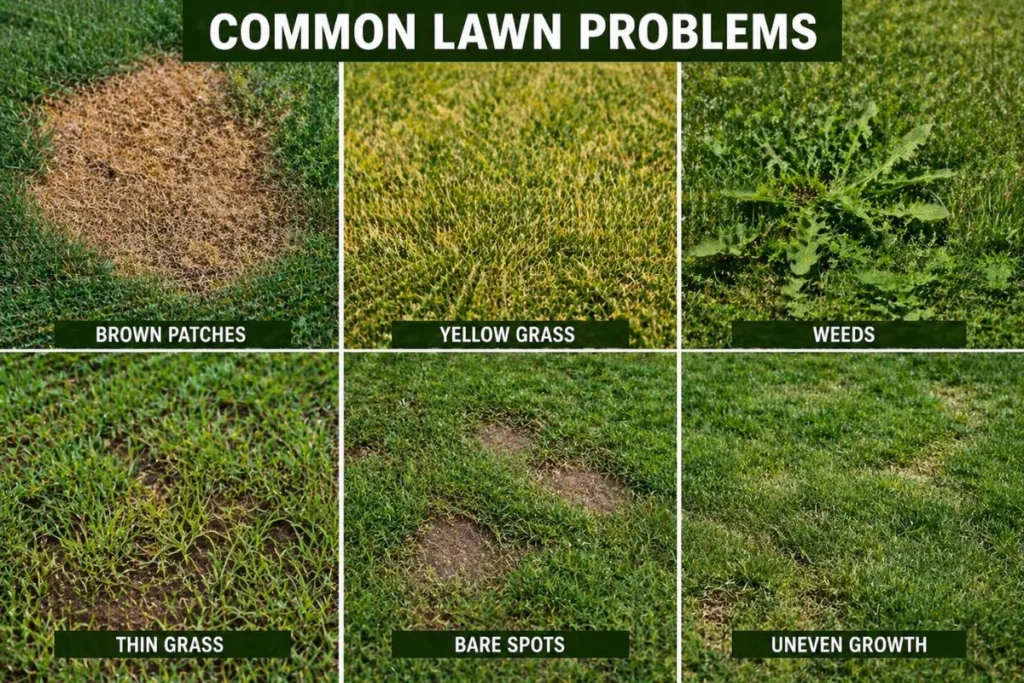
An instant lawn transforms a bare yard in a single day. Within weeks, you have a lush, green carpet. Even the best turf can struggle, though. Most instant lawn problems are easy to spot and fix once you know the cause. This guide covers three common issues: yellowing, thinning and weeds. Each section explains why the problem happens and how to fix it. You will also find prevention tips to keep your turf healthy all year.
Why Do Instant Lawn Problems Happen?
Turf rolls are living plants. They are cut from a farm, transported and laid on new soil. That process causes stress. The roots must knit into your soil within two to three weeks. During that time, the lawn is vulnerable. Poor soil, wrong watering and heavy traffic can all cause setbacks. Many problems also appear months later. Seasonal changes, pests and poor mowing habits often play a part. The good news is that turf recovers well with the right care. Let’s start with the most common complaint.
Yellowing Instant Lawn: Causes and Fixes
A yellow lawn is the problem homeowners notice first. Yellowing is a symptom, not a disease. Finding the cause is the key to fixing it.
Underwatering
New turf needs a lot of water. The roots are shallow and cannot reach deep moisture. If the turf dries out, the blades turn yellow, then brown.
How to fix it:
- Water daily for the first two weeks, preferably in the early morning.
- Keep the soil beneath the turf damp, not soggy.
- Lift a corner of the turf. The soil should feel moist.
- After week three, water less often but more deeply.
Water restrictions can make this tricky. The Rand Water website offers useful guidance on water-wise gardening in South Africa.
Overwatering
Too much water is just as harmful. Soggy soil drives out oxygen. Roots suffocate and fungal diseases spread quickly.Overwatered turf often looks pale yellow and feels spongy underfoot. You may also see mushrooms or a sour smell.
How to fix it:
- Cut back watering until the soil firms up.
- Improve drainage by spiking the lawn with a garden fork.
- Avoid watering in the evening, which keeps blades wet overnight.
Nutrient Deficiency
Grass needs nitrogen to stay green. A pale, even yellow across the lawn often points to low nitrogen. Iron deficiency causes yellowing between the leaf veins.
How to fix it:
- Apply a balanced lawn fertiliser every six to eight weeks in the growing season.
- Wait four to six weeks after laying before the first feed.
- Water the fertiliser in well to avoid burn.
A soil test removes the guesswork. The University of Minnesota Extension explains how to read soil test results and match nutrients to your lawn.
Pet Urine and Pests
Round yellow patches with green edges usually come from dog urine. The high nitrogen content burns the grass. Flush the area with water straight after your pet goes. Train pets to use one spot in the garden. Pests such as grubs and lawn caterpillars also cause yellow patches. Tug the grass gently. If it lifts like a loose mat, grubs may be eating the roots.
How to fix it: Apply a suitable pesticide for the specific pest. Ask your local garden centre for the right product.
Too Much Shade
Grass needs sunlight to make food. Shaded areas turn thin and pale. Some turf varieties tolerate shade better than others. Prune overhanging branches to let in more light. Alternatively, choose a shade-tolerant grass for those areas.
Thinning Instant Lawn: Why It Happens and How to Restore Density
A thin lawn shows bare soil between the blades. It looks tired and invites weeds. Thinning usually develops slowly.
Mowing Too Short
Scalping is a major cause of thin turf. Cutting grass too low weakens the plant. It reduces the leaf area available for photosynthesis.
How to fix it:
- Follow the “one-third rule”. Never remove more than a third of the blade in one cut.
- Raise your mower height, especially in summer.
- Keep mower blades sharp for clean cuts.
Your first mow should happen only when the turf has rooted. Give a gentle tug after two weeks. If it resists, it is ready.
Heavy Foot Traffic
Children, pets and parties all compact the soil. Compacted soil blocks air, water and nutrients from reaching the roots.
How to fix it:
- Aerate the lawn once or twice a year with a core aerator.
- Create a stepping-stone path where people walk most.
- Rest the lawn after heavy use.
Thatch Build-Up
Thatch is a layer of dead grass stems and roots above the soil. A thin layer is healthy. Over 1.5 cm, it chokes the lawn.
How to fix it:
- Scarify or dethatch the lawn in spring or early summer.
- Rake out the loosened debris.
- Follow with a light feed and good watering.
Poor Soil Preparation
Sometimes thinning begins on day one. If the soil was hard, stony or uneven, roots cannot establish properly. Gaps appear at the seams between rolls.
How to fix it:
- Top-dress thin areas with a mix of sand and compost.
- Apply a fine layer, about 1 cm deep.
- Keep the area moist while the grass grows through.
For detailed guidance on lawn renovation, the Royal Horticultural Society lawn advice is a trusted resource. Many of its principles apply to turf anywhere.
Overseeding and Patching
Small bare patches can be repaired quickly. Cut out the damaged section and loosen the soil. Lay a matching piece of turf and press it down firmly. Water well for two weeks. For larger thin areas, overseed with a compatible grass type. Match the seed to your existing lawn for an even look.
Lawn Weeds: How to Identify and Remove Them
Weeds compete with grass for light, water and nutrients. A thick lawn is your best defence. Weeds appear mainly where the grass is weak.
Common Lawn Weeds
Knowing your enemy helps you choose the right treatment. Here are three common types:
- Broadleaf weeds: These include dandelions, clover and plantain. They have wide, flat leaves.
- Grassy weeds: These include crabgrass and nutgrass. They look like grass but grow faster and coarser.
- Sedges: Nutgrass is a stubborn sedge. It grows from underground tubers and spreads fast.
Prevention Is Better Than Cure
The best weed control is a healthy lawn. Dense turf leaves no room for seeds to sprout.
Simple prevention steps:
- Mow at the recommended height for your grass type.
- Water deeply but less often.
- Feed regularly to keep the lawn thick.
- Clean your mower after cutting weedy areas.
How to Remove Weeds
Choose a method based on the size of the problem.
Hand pulling: This works for a few weeds. Pull after rain, when the soil is soft. Remove the whole root, or the weed will return.
Selective herbicides: These kill weeds but spare your grass. Always check that the product suits your turf type. Some herbicides harm certain grasses, such as buffalo and kikuyu.
Pre-emergent herbicides: These stop weed seeds from germinating. Apply them before the weed season starts. Do not use them on new turf or when overseeding.
Read every label carefully. Follow dosage, timing and safety instructions. The Gardeners’ World lawn care guides also give practical weed control advice.
Avoid Treating New Turf Too Soon
Never spray herbicides on freshly laid turf. Wait until the lawn is fully established, usually six to eight weeks. Young roots are sensitive to chemicals.
Seasonal Instant Lawn Care Checklist
Prevention saves time and money. Here is a simple seasonal guide.
Spring:
- Scarify to remove thatch.
- Apply a slow-release fertiliser.
- Start regular mowing.
Summer:
- Water deeply in the early morning.
- Raise the mower height.
- Watch for pests and fungal diseases.
Autumn:
- Aerate compacted areas.
- Overseed thin patches.
- Apply an autumn feed to strengthen roots.
Winter:
- Reduce watering and mowing.
- Limit foot traffic on frosted grass.
- Clear fallen leaves promptly.
Climate affects every lawn. Local weather data helps you time watering and feeding. Check the South African Weather Service for forecasts and seasonal outlooks.
When to Call a Professional
Some problems need expert help. Call a lawn specialist if you notice any of the following:
- Large patches that spread quickly.
- Yellowing that does not improve after two weeks of care.
- Signs of fungal disease, such as rings or slimy blades.
- Severe weed infestations.
Early action prevents small issues from becoming expensive repairs. A professional can test your soil, identify pests and recommend a plan.
Frequently Asked Questions
Why is my new instant lawn turning yellow?
Underwatering is the most common cause. New turf has shallow roots and dries out fast. Water daily for the first two weeks.
How long before I can walk on new turf?
Wait about two to three weeks. The roots need time to anchor into the soil.
Can I fix a thin lawn without replacing it?
Yes. Aerate, top-dress and overseed. Feed the lawn and water consistently. Most thin lawns recover within a few weeks.
When should I spray weeds on a new lawn?
Wait six to eight weeks after laying. Hand-pull any weeds before that.
Conclusion: Keep Your Instant Lawn Thick and Green
Instant lawn problems can frustrate any homeowner. Yellowing, thinning and weeds are all fixable, though. Start by finding the cause. Then apply the right solution. Good habits prevent most issues. Water deeply, mow at the right height and feed regularly. Aerate when the soil gets hard. A dense lawn naturally resists weeds and pests. At Turfgreen Group, we supply premium turf and expert advice. Our team can help you choose the right grass for your garden. We can also guide you through laying and aftercare.
Ready for a lush, problem-free lawn? Contact Turfgreen Group today for a free quote and expert lawn advice.