
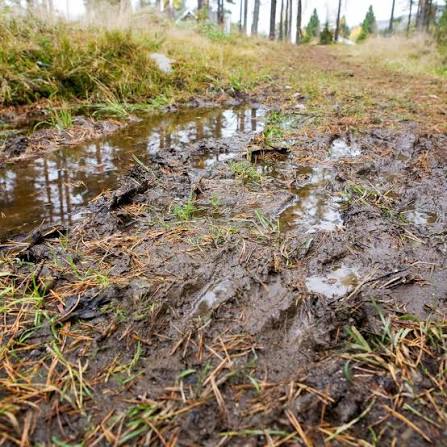
How to Prepare Waterlogged Soil Before Laying Instant Lawn
A lush, green lawn starts long before the turf arrives. If your garden holds water after rain, laying turf straight onto it is a mistake. Roots need oxygen. Waterlogged soil starves them of it. At Turfgreen Group, we see this problem often. The good news is that poor drainage can almost always be fixed. This guide walks you through every step.
Why Soil Preparation Matters More Than the Turf Itself
Instant lawn looks perfect on delivery day. But its long-term health depends entirely on what lies beneath it. Turf laid on waterlogged ground will yellow, thin out, and eventually die back. According to the RHS guide to laying turf, soil preparation is just as important as choosing the right turf. Skipping this step is the single biggest reason new lawns fail. Waterlogging suffocates grass roots. It also encourages moss, fungal disease, and weeds. A soggy lawn becomes unusable for months at a time. Fixing drainage first protects your investment. It also saves you from expensive re-turfing later.
How to Test Your Soil’s Drainage
Before you do anything else, test how your soil drains. This tells you how serious the problem is.
- Dig a hole roughly 30cm deep.
- Fill it with water and let it drain fully.
- Fill it again and time how long it takes to empty.
If the water clears within a few hours, drainage is good. If it takes most of the day, drainage is moderate. If water is still sitting after 24 hours, you have poor drainage. This simple method, outlined in Rolawn’s drainage testing guide, gives you a clear starting point. It also helps you decide how much work is needed.
What Causes Waterlogged or Poorly Draining Soil
Understanding the cause helps you choose the right fix. Common culprits include the following.
- Heavy clay soil. Clay particles are tiny and pack together tightly. This blocks water from moving through.
- Soil compaction. Foot traffic, construction equipment, or vehicles compress soil over time. Compacted ground behaves like concrete during heavy rain.
- Poor grading. Gardens that slope toward the house, or have low spots, collect standing water naturally.
- High water table. In some areas, groundwater sits close to the surface. This limits how much rain the soil can absorb.
- Lack of organic matter. Soil low in organic content has fewer air pockets. It drains poorly as a result.
Most gardens suffer from a mix of these issues. Identifying yours helps you plan the right preparation strategy.
Step-by-Step: Preparing Waterlogged Soil for Instant Lawn
1. Clear and Assess the Site
Start by removing existing grass, weeds, rocks, and debris. Strip old turf with a spade or hire a turf stripper for larger areas. This gives you a clean base and a clear view of problem areas. Look for low points where puddles commonly form.
2. Break Up Compaction
Compacted soil is often the root cause of waterlogging. Use a garden fork, rotavator, or tiller to loosen the top layer. Dig to a depth of at least 20 to 25cm. This lets air back into the soil profile. It also gives new grass roots room to spread. If compaction is severe, core aeration can help before further work begins. Clemson Extension explains that aeration relieves compaction and improves water infiltration significantly. It is a useful step even on soil that will later be re-graded.
3. Improve Soil Structure
Once the ground is loosened, improve its composition. The right amendment depends on your soil type.
- For heavy clay soil, work in coarse sand or horticultural grit. This opens up the structure and creates channels for water. Adding gypsum can also help break down clay particles over time.
- For sandy or thin soil, add well-rotted organic matter or compost. This helps the soil hold moisture without becoming waterlogged.
- For general improvement, aim for a balanced, crumbly texture. Soil should hold its shape loosely when squeezed, not form a solid, sticky ball.
Avoid adding a thick layer of pure sand over clay. This can create a “perched water table,” where water sits on top of the sand instead of draining through it. Blend amendments into the existing soil instead of layering them.
4. Install Drainage Where Needed
For gardens with genuinely poor drainage, mechanical fixes are often necessary. Two common options are land drains and French drains. A French drain is a gravel-filled trench containing a perforated pipe. It carries excess water away from the problem area. According to this step-by-step French drain guide, the trench should slope consistently downward toward a safe discharge point. This could be a ditch, soakaway, or storm drain. Mississippi State University Extension recommends wrapping the pipe in fabric sock and covering it with gravel. This prevents soil from clogging the system over time. For very wet gardens, multiple drains or a soakaway pit may be needed. If you are unsure whether your garden needs this level of work, it’s worth consulting a landscaping professional. Drainage systems are permanent, so getting them right the first time matters.
5. Grade the Soil for Positive Runoff
Even well-drained soil needs the correct slope. Aim for a gentle fall away from buildings and toward a safe drainage point. A fall of around two to three centimetres per metre is generally sufficient. This prevents water from pooling in low spots after installation. Use a rake and a long, straight board to check levels across the garden. Fill in dips with topsoil. Compact high spots slightly using a roller or by treading them down evenly.
6. Add a Quality Topsoil Layer
Once the base is prepared, add a layer of good quality topsoil. Aim for around 10 to 15cm of screened, loam-based soil. This gives turf roots a healthy, well-structured layer to establish in. It also helps mask any remaining inconsistencies in the subsoil below. Rake the topsoil level and firm it gently. Avoid over-compacting this final layer, as roots still need room to grow.
7. Let the Ground Settle
Before laying turf, give the prepared soil time to settle. A few days is the minimum, but several weeks is better if your schedule allows. This allows any remaining air pockets to close naturally. It also lets weed seeds germinate, so you can remove them before laying turf.
When to Bring in the Professionals
Some drainage problems are too complex for DIY fixes. Signs you may need expert help include the following.
- Water pooling more than 24 hours after rain
- A consistently high water table
- Large or steeply sloped gardens
- Recurring waterlogging despite previous fixes
At Turfgreen Group, our team can assess your site properly. We identify the exact cause of waterlogging. We then design a preparation plan suited to your soil and garden layout. This ensures your instant lawn establishes quickly and thrives long term.
Laying Instant Lawn on Prepared Soil
Once your soil is properly prepared, laying turf becomes straightforward. Order turf only once the ground is ready, since fresh turf should be laid within 24 to 48 hours of delivery. Lay rolls tightly against each other in a brick-like pattern. Stagger the joints to avoid straight lines running through the lawn. Water the new turf thoroughly within thirty minutes of laying it. Keep the soil consistently moist for the first two to three weeks. This is essential while roots establish into the prepared ground below.
Aftercare for Lawns on Previously Poor-Draining Soil
Good preparation reduces future drainage problems significantly. But ongoing care still matters, especially in the first year.
- Avoid heavy foot traffic while the lawn is establishing.
- Aerate annually to prevent new compaction from forming.
- Monitor low spots after heavy rain and top up soil as needed.
- Fertilise appropriately to encourage strong, deep root growth.
Deep roots make lawns more resilient to both drought and excess moisture. A well-prepared lawn should need far less intervention over time.
Final Thoughts
Waterlogged soil doesn’t have to stop you from having a beautiful, healthy lawn. With the right preparation, even heavy clay gardens can support thriving instant turf. Testing your drainage, improving soil structure, and installing proper drainage where needed makes all the difference. At Turfgreen Group, we specialise in exactly this kind of groundwork. Our team can assess your garden, recommend the right solution, and prepare your soil for lasting results. Get in touch to discuss your project, and let’s build a lawn that lasts.