Artificial Grass Installation Pricing Gauteng
Gauteng homeowners are switching to synthetic lawns faster than ever. Water costs keep climbing, and gardening time keeps shrinking. A green lawn that needs no mowing now sounds very appealing. Still, the first question is always about money. Understanding artificial grass installation pricing in Gauteng helps you budget with confidence. This guide breaks down every cost involved in 2026. It also shows where you can save without hurting quality.
How Much Does Artificial Grass Cost in Gauteng in 2026?
Most Gauteng projects fall between R350 and R900 per square metre, fully installed. That range covers the turf, base preparation, labour, and finishing materials. The final price depends on your site, your turf choice, and your project size. A small courtyard of 20 square metres may cost R9,000 to R16,000. A medium garden of 60 square metres typically costs R24,000 to R45,000. Large lawns above 150 square metres often get better per-square-metre rates. These figures are market estimates, not fixed quotes. Prices shift with material costs, fuel, and exchange rates. Most turf yarn is imported or made from imported raw materials. A weaker rand can therefore push prices up quickly. Inflation also plays a role. You can track national price trends on the Statistics South Africa website. Rising transport and labour costs feed directly into installation rates.
Price per Square Metre by Turf Type
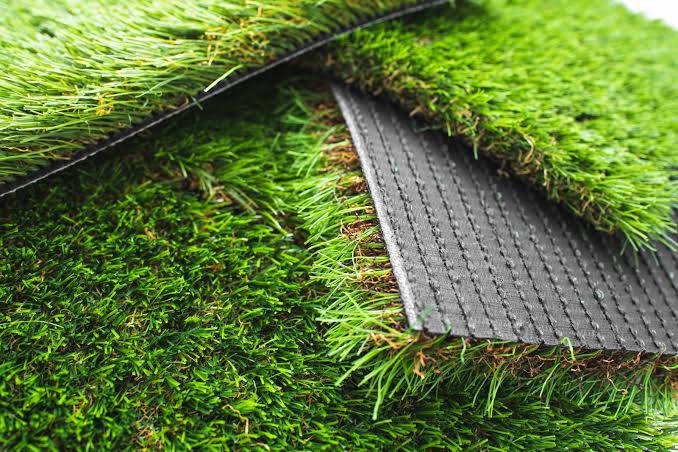
Turf quality is the biggest single cost driver. Pile height, yarn type, and backing all affect the price. Here is how the main categories compare in 2026.
Budget turf costs roughly R350 to R480 per square metre installed. It usually has a pile height of 20mm to 25mm. This suits low-traffic areas, balconies, and rental properties. It may look flatter and wear faster in strong sun.
Mid-range turf costs roughly R480 to R650 per square metre installed. It offers a pile height of 30mm to 35mm. Yarn blends look more natural, with two or three green tones. This is the most popular choice for family gardens in Gauteng.
Premium turf costs roughly R650 to R900 or more per square metre installed. It features dense stitching and a thatch layer for realism. It resists matting and flattening under heavy use. Many homeowners choose it for front lawns and showpiece gardens.
Specialist turf carries a higher price again. Pet-friendly turf has strong drainage and antimicrobial features. Sports and putting-green turf needs precise installation. Playground turf may require shock-absorbing underlay for safety.
Always ask for the turf specification sheet. It lists pile height, face weight, and warranty terms. These details explain why two quotes can differ so much.
Base Preparation and Labour Costs
Many buyers focus only on the turf. Yet the base often decides how long your lawn lasts. A poor base leads to dips, ripples, and drainage problems. Preparation usually costs R80 to R180 per square metre. It includes excavating the old surface and levelling the ground. Installers then add a compacted layer of crushed stone or sand. This layer creates a firm, free-draining foundation. Labour is the next major cost. Skilled installers cut, seam, and secure the turf by hand. Expect labour to make up 25% to 35% of the total price. Good seams are invisible, and good edges stay tight for years. Site access also affects labour. A garden reachable only through a narrow passage takes longer to work on. Materials must be carried by hand instead of delivered by wheelbarrow or machine. That extra time appears on your quote.
Hidden Costs to Plan For
Some costs are easy to overlook. Asking about them early prevents unpleasant surprises later. Removal of the old lawn is one example. Stripping kikuyu or weeds and dumping the waste may cost R20 to R60 per square metre. Stubborn kikuyu may also need a herbicide treatment first. Weed membrane is another common item. It blocks growth from below and protects your investment. Quality membrane adds roughly R15 to R30 per square metre. Cheap installers sometimes skip it, and weeds then push through the turf. Infill materials add further cost.
Silica sand keeps the blades upright and the turf stable. Pet-friendly infills cost more but control odours better. Expect R20 to R50 per square metre depending on the type. Edging and borders finish the job. Treated timber, concrete, or plastic edging secures the turf at its perimeter. Costs range from R60 to R150 per linear metre. Drainage fixes can also increase your budget. Gauteng receives heavy summer thunderstorms. You can check regional rainfall patterns through the South African Weather Service. If your yard holds water, you may need extra drainage channels or a deeper stone base. Finally, consider delivery fees and site clean-up. Some quotes include them, while others list them separately. Always request an itemised quote.
Example Project Budgets for Gauteng Homes
Real examples make the numbers easier to understand. These sample budgets use mid-range turf and standard site conditions.
Small townhouse garden, 25 square metres. Turf and installation costs about R14,000. Old lawn removal adds R750. Edging adds R1,200. The total is roughly R16,000.
Medium family garden, 70 square metres. Turf and installation costs about R38,000. Removal and disposal add R3,000. Drainage improvements add R2,500. The total is roughly R43,500.
Large lawn, 200 square metres. Volume pricing may reduce turf and labour to about R90,000. Removal adds R8,000. Edging and borders add R6,000. The total is roughly R104,000.
Notice how the per-square-metre rate falls as the area grows. Suppliers buy turf by the roll, so larger jobs waste less material. Fixed costs like transport also spread across more surface.
Why Prices Vary Across Gauteng
Location affects pricing within the province. Johannesburg, Pretoria, Ekurhuleni, and the West Rand all have slightly different conditions. Distance from the supplier changes delivery costs. Soil type changes excavation effort. Clay-heavy soils need more careful drainage work. Rocky ground slows excavation and adds labour hours. Sloped gardens need extra compaction and securing. Estates and complexes may add rules of their own. Some require approval before alterations. Others restrict working hours or truck access. Check with your body corporate or homeowners’ association first. Local regulations may also matter for larger projects. The City of Johannesburg publishes municipal information on property and service rules. Confirm anything that affects your site before work begins.
How to Save Money Without Cutting Corners
You can reduce your costs in several smart ways. The goal is to lower the price, not the quality. First, compare at least three itemised quotes. Look beyond the bottom-line number. Check turf specifications, base depth, and warranty length. A cheap quote often hides thin preparation.
Second, choose the right turf for the space. A back corner does not need premium turf. Use mid-range turf where traffic is light. Save the premium option for visible areas. Third, simplify the layout. Straight edges and fewer cuts mean less labour and less waste. Complex curves look lovely but raise the price. Fourth, do some preparation yourself. Clearing furniture, pots, and loose debris saves installer time. Never attempt base compaction without proper equipment, though. Fifth, book in the cooler months if you can. Winter is often quieter for installers. Flexible scheduling may earn you a better rate. Finally, protect yourself as a buyer. The National Consumer Commission explains your rights when buying goods and services. A written contract and clear warranty terms keep everyone accountable.
Long-Term Value: Artificial Grass vs Natural Lawn
Upfront cost is only half the story. Natural lawns carry ongoing expenses that quietly add up. A typical Gauteng lawn needs regular watering, feeding, mowing, and pest control. Water is a growing concern. You can review current supply information through Rand Water. Restrictions and tariff increases make irrigation costly in dry seasons. Artificial grass removes most of those costs. You may spend a few hundred rand each year on brushing and rinsing. Over ten years, the savings can be substantial. Quality turf also lasts. Good products carry warranties of eight to fifteen years. Check that the materials meet recognised standards. The South African Bureau of Standards is a useful starting point for quality benchmarks. There is a lifestyle benefit too. A lawn that stays green all year suits entertaining, children, and pets. You gain weekends back and lose the noise of the mower.
How to Get an Accurate Quote From Turfgreen Group
The most reliable way to confirm your price is a site visit. Measurements, access, and ground conditions all shape the final figure. Photos help, but they cannot replace inspection. Before the visit, decide how you will use the space. Tell the installer about pets, children, and braai areas. This guides the turf, infill, and drainage choices. Ask what the quote includes. It should cover turf, base materials, labour, removal, edging, and warranty. A transparent, itemised quote is the sign of a professional team.
Final Thoughts on Artificial Grass Installation Pricing in Gauteng
In 2026, most homeowners can expect to pay between R350 and R900 per square metre. Turf quality, base preparation, site conditions, and project size explain the difference. Hidden costs like removal and drainage deserve a place in your budget. When you plan carefully, a synthetic lawn pays for itself over time. It saves water, cuts maintenance, and looks good in every season. Ready to see what your garden would cost? Contact Turfgreen Group today for a free, itemised quotation.
Recent Posts:
- Why Load Shedding-Proof, Water-Wise Gardens Are Pushing Midrand Homeowners Toward Synthetic Lawns
- Wetpour Rubber for Creches and Pre-Schools: Safety Standards Every Roodepoort Parent Should Know
- Artificial Grass vs Kikuyu Grass: Which Wins in a Roodepoort Summer?
- Critical Fall Height Explained: How Turfgreen Group Specs Wetpour for Play Equipment