
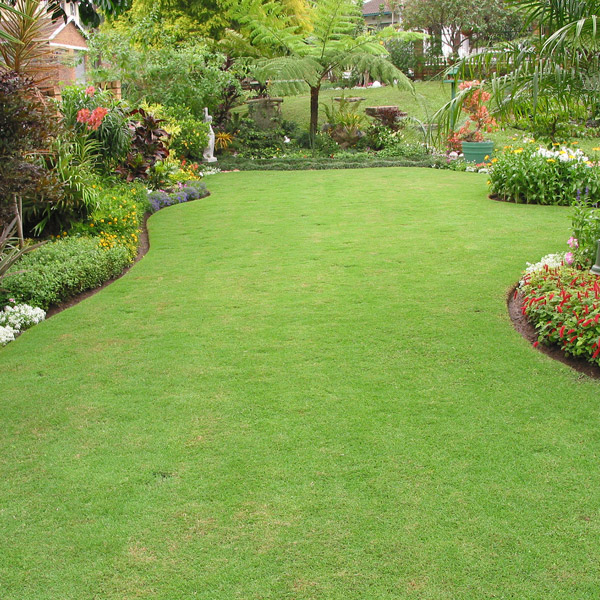
Why Load Shedding-Proof, Water-Wise Gardens Are Pushing Midrand Homeowners Toward Synthetic Lawns
Midrand gardens are changing fast. Homeowners want lush lawns. But they also want lower bills and fewer headaches. Two forces are driving this shift. Years of unpredictable power supply. And a deepening Gauteng water crisis. Together, they’ve made traditional lawns feel like a liability. That’s why synthetic lawns Midrand installations are booming. This post explains the trend. It also shows why Turfgreen Group’s synthetic turf is the practical answer.
The Real Story Behind Gauteng’s Water Pressure
Johannesburg’s water system is under genuine strain. This isn’t hype. It’s infrastructure reality. Gauteng municipalities are drawing far more water than they’re allocated. Johannesburg alone exceeds its permit by roughly 61%, according to a 2026 guide on Rand Water restrictions. Ekurhuleni and Tshwane are similarly over budget. The consequences are visible. In February 2026, the Minister of Water and Sanitation approved emergency measures including Level 2 water restrictions in high-use areas and overnight throttling of supply across Gauteng. Rand Water has openly warned that excessive consumption in Johannesburg and Tshwane is worsening supply disruptions across the province. Midrand hasn’t been spared. Planned maintenance and pressure reductions have repeatedly hit greater Midrand, President Park, Kaalfontein, Ebony Park, Rabie Ridge and Ivory Park reservoirs. Even without a formally declared crisis, Johannesburg Water enforces permanent by-laws banning unattended hoses and run-off at all times. For homeowners, the message is clear. Watering a lawn every second day is no longer sustainable. It’s expensive, restricted, and often unreliable anyway.
What’s Actually Happening With Load Shedding in 2026
Here’s an important, nuanced update. Load shedding itself has largely paused. Eskom has reported a stretch of well over 400 consecutive days without rolling blackouts, dating back to mid-2025. Its winter 2026 outlook continued to forecast no load shedding. But “off” doesn’t mean the risk has vanished. Eskom’s own scenarios still flag possible Stage 2 to Stage 6 cuts if unplanned generation losses climb above 13,000MW during peak winter demand. There’s also a quieter issue. Many suburbs still experience “load reduction,” a targeted cut affecting overloaded feeders. As one energy tracker put it, Eskom has been suspended past 392 days, but load reduction is still cutting power in overloaded suburbs from 5am to 9am and 5pm to 10pm this winter. So homeowners aren’t wrong to stay cautious. A decade of instability left lasting habits. Many still plan for outages, generator maintenance, and irregular municipal power feeds affecting borehole pumps and irrigation timers. This is where “load shedding-proof” landscaping becomes relevant. It’s not about denying the improved grid. It’s about removing electricity and water dependency from garden upkeep altogether.
Why Natural Lawns Struggle Under These Pressures
Natural grass is thirsty. It’s also power-dependent, in ways many homeowners overlook. Borehole pumps need electricity. Irrigation timers need electricity. Even municipal pressure pumps rely on stable power upstream. When outages or load reduction hit at the wrong hour, sprinkler systems simply don’t fire. Lawns brown out during the exact weeks watering matters most. Then there’s the water bill itself. A typical 50 square metre lawn can use around 1,250 litres of water every single week. Multiply that across a Gauteng winter of rising tariffs, and the maths gets uncomfortable fast. Add fertiliser, mowing, reseeding, and pest control. The true cost of a “free” natural lawn adds up quickly.
How Synthetic Lawns Solve Both Problems at Once
Synthetic turf removes water and power from the equation entirely. There’s no irrigation system to fail. No pump schedule to plan around outages. That single change delivers real savings. Homeowners can save up to 60% on water use, with some suppliers citing savings as high as 70% off the water bill after installation. It also solves the “brown patch” problem outright. Synthetic turf stays evergreen and manicured, and dries quickly after rain instead of turning muddy. For Midrand’s climate — hot, dry summers and increasingly erratic winters — that reliability matters. Guests never see a stressed, patchy lawn. It looks presentable for every braai, no matter the season. There’s a financial upside too. Installation costs are recovered over time. Most homeowners see payback periods of three to ten years, after which the savings are pure upside.
Beyond Water: The Full Maintenance Case
Synthetic turf isn’t only about drought-proofing. It removes an entire category of weekend labour. There’s no mowing. No fertilising. No reseeding after a harsh Highveld frost. As one industry supplier notes, artificial grass lets you say goodbye to hours spent mowing and trimming, with no growth to manage at all. It’s also safer for households with children and pets. Quality synthetic turf is child and pet-friendly, offering cushioned play without the pesticides and fertilisers used on natural lawns. For busy Midrand families, that combination is compelling. Less time on garden chores. More time actually using the garden.
Property Value and Curb Appeal Benefits
Synthetic lawns aren’t just functional. They’re a visible upgrade for resale value. A neat, evenly green lawn creates strong first impressions. It signals low-maintenance living to prospective buyers. Suppliers consistently note that a well-kept lawn can increase curb appeal and attract potential buyers or renters. This matters more in a tight property market. Midrand buyers increasingly ask about water security and running costs before making offers. A synthetic lawn answers both questions instantly.
Choosing the Right Installer for Midrand Conditions
Not all synthetic turf performs equally in Gauteng’s climate. UV exposure, seasonal temperature swings, and clay-heavy soils all affect longevity. Quality matters here. Products should be UV protected to prevent fading and degradation, ensuring the lawn still looks sharp after years in direct Highveld sun. Drainage design matters just as much. Poorly installed turf pools water during summer storms, defeating the point of a low-maintenance garden. Professional preparation, proper base layers, and correct infill are non-negotiable for lasting results. This is exactly where Turfgreen Group’s experience counts. We understand Midrand’s soil, sun exposure, and rainfall patterns. Our installations are built to handle all three without shortcuts.
Making the Switch: What Homeowners Should Expect
A typical synthetic lawn project moves through a few clear stages. First, a site assessment covers drainage, sun exposure, and existing soil conditions. Next comes ground preparation. This includes removing old grass, levelling the base, and installing a permeable sub-layer for drainage. Then the turf itself goes down, cut and joined to fit garden contours exactly. Finally, infill and grooming give the lawn its final, natural look and feel. Most residential installations are completed within a few days. There’s no lengthy establishment period like reseeded natural lawn requires.
A Practical Response to Gauteng’s New Normal
Midrand homeowners aren’t overreacting. Water pressure is real, documented, and ongoing across Gauteng. Power supply, while improved, still carries real risk during peak winter months. Synthetic lawns respond to both pressures directly. They need no irrigation, no pump, and no power to stay green. They also cut weekly maintenance time and long-term costs. For many households, that trade-off is now an easy decision. If your garden depends on unreliable watering schedules, it’s worth reconsidering. A synthetic lawn removes that dependency for good.
Common Questions Midrand Homeowners Ask
Does synthetic turf get too hot to walk on?
Quality turf with proper infill stays comfortable in most conditions. Lighter-coloured fibres and regular watering during heatwaves help further.
Will it look fake next to my other plants?
Modern turf uses varied blade shapes and multi-tone colouring. Placed alongside real shrubs and trees, it blends naturally.
How long does synthetic turf actually last?
Most quality installations last between 8 and 15 years, depending on usage and quality. Proper installation extends that lifespan further.
Can it handle Gauteng’s summer storms?
Yes, if drainage is installed correctly. A permeable base layer lets rainwater pass straight through, avoiding pooling or run-off.
Is synthetic turf safe for boreholes and greywater systems?
Removing lawn irrigation frees up borehole and greywater capacity for vegetable gardens, pools, or other higher-value uses around the property.
Comparing Natural Lawn Costs Versus Synthetic Turf Over Time
It helps to see the numbers side by side. Natural lawn costs are recurring and rising. Synthetic turf costs are mostly upfront. Consider a typical Midrand household. Water for irrigation, fertiliser, mowing services, and occasional reseeding easily exceed several thousand rand per year. Synthetic turf, by contrast, needs an occasional rinse and brush. There’s no recurring service bill once installation is complete. Over a ten-year period, most homeowners find synthetic turf comes out ahead. That’s before factoring in saved time and avoided stress during restrictions. This is precisely why Turfgreen Group frames synthetic lawns as an investment. It’s not simply a landscaping choice. It’s a long-term cost and risk reduction strategy for Midrand homes.
Get a Water-Wise, Power-Independent Lawn With Turfgreen Group
Turfgreen Group installs synthetic lawns built for Midrand’s specific conditions. Our team handles drainage, UV-stable turf selection, and precise installation from start to finish. The result is a garden that looks lush every single day.No watering schedule to manage. No generator dependency to worry about. Just consistent, year-round green . Ready to stop worrying about water restrictions and outage timing? Contact Turfgreen Group for a site assessment and personalised quote today.
Further reading:
- Johannesburg Water: official restrictions and by-laws
- Load-Shedding in South Africa (2026): Is It Over?
- Artificial Grass Pricing Guide 2026 – Local Pros