EPDM vs SBR: Understanding the Two Layers of a Wetpour Rubber Surface
Choosing the right wetpour rubber surface can feel confusing. Quotes often mention EPDM and SBR without explaining either term. Many buyers simply assume both layers are the same. They are not. Each layer has a different job, a different look and a different cost. Understanding them helps you plan a safer, longer-lasting surface. It also helps you compare quotes fairly. At Turfgreen Group, we believe informed clients get better results. This guide explains EPDM vs SBR in plain language. By the end, you will know exactly what goes into your surface.
What Is a Wetpour Rubber Surface?
A wetpour rubber surface is a seamless, poured safety surface. It is mixed on site and laid by hand. The result is a smooth, spongy and slip-resistant floor. It is popular for playgrounds, schools, daycare centres and estates. You will also see it around pools, gyms and walkways. Its main purpose is to reduce injuries from falls. The surface starts as granules of rubber mixed with a liquid binder. The binder is usually polyurethane. Once poured and cured, the granules bond into one flexible sheet. Unlike loose bark or sand, wetpour does not scatter or compact. It stays level for years. That makes it a smart long-term investment.
The Two Layers of Wetpour Surfacing
A professional installation uses two distinct layers. The bottom layer is the shock-absorbing base. The top layer is the coloured wearing course. The base layer is made from SBR rubber. The top layer is made from EPDM rubber. Both are bound together during installation, so they cure into a single surface. Think of it like a running shoe. The thick midsole cushions the impact. The tough outer sole gives grip and looks good. Wetpour works in much the same way.
What Is SBR Rubber?
SBR stands for styrene-butadiene rubber. It is a synthetic rubber widely used in tyres and industrial products. You can read more about its properties on Wikipedia’s SBR overview. In wetpour surfacing, SBR usually comes from recycled tyres. The tyres are shredded into small black granules. This makes SBR an eco-friendly and affordable material. SBR forms the lower, thicker layer of your surface. Its job is impact absorption. When a child falls, this layer compresses and spreads the force. Because it is hidden beneath the top layer, its colour does not matter. That is why it is almost always black. It is also the most cost-effective part of the system.
Key benefits of SBR
SBR offers excellent cushioning at a low price. It also gives the surface its thickness and body. Thicker SBR layers can protect against taller falls. SBR also helps level out uneven ground. Installers can vary the thickness slightly to create smooth contours. This is useful on slopes and mounds. Recycled content is another advantage. Reusing old tyres keeps waste out of landfill. Many clients value this sustainability angle.
What Is EPDM Rubber?
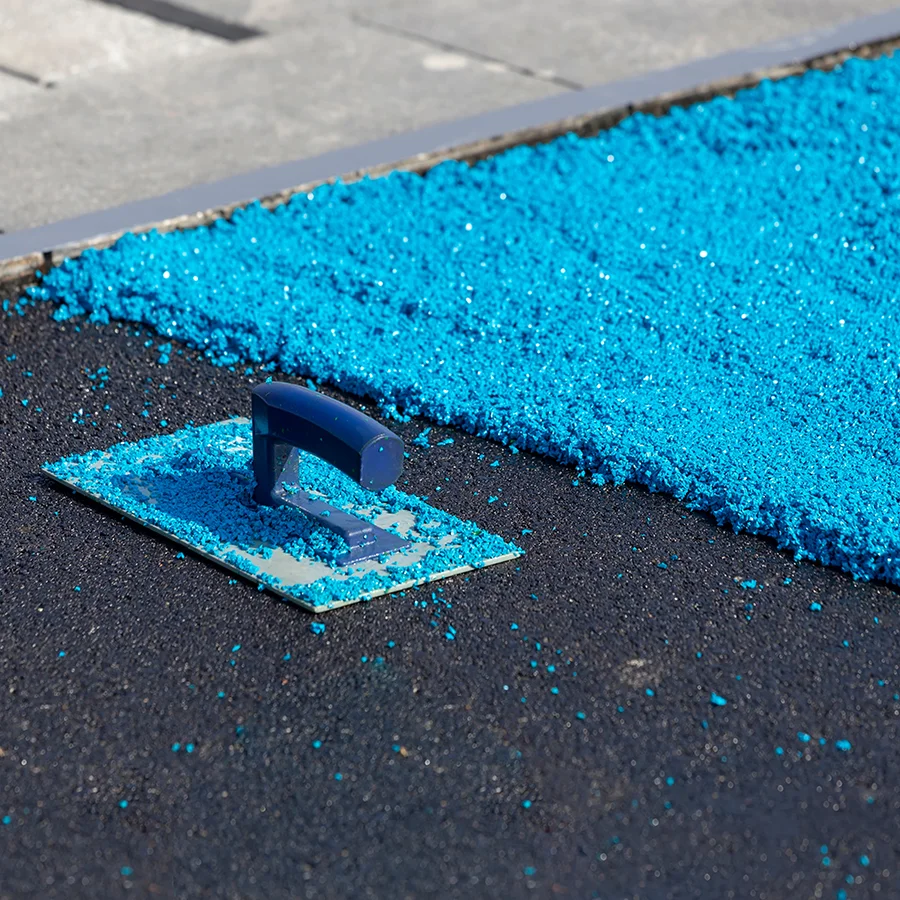
EPDM stands for ethylene propylene diene monomer. It is a synthetic rubber known for outstanding weather resistance. You can find a technical summary on Wikipedia’s EPDM rubber page. In wetpour, EPDM is supplied as virgin coloured granules. These are manufactured, not recycled. That is why they hold vivid colours so well. The EPDM layer is thin, usually 10 to 20 millimetres. It sits on top of the SBR base. It is the part everyone sees and walks on. Its role is aesthetic and protective. It provides colour, grip and UV resistance. It also shields the SBR layer from sun, rain and wear.
Key benefits of EPDM
EPDM resists fading far better than recycled rubber. Colours stay bright for many years. Reds, blues, greens and yellows remain cheerful. It also performs well in extreme heat and cold. South African summers can be harsh. A quality EPDM layer copes with intense sunshine and sudden storms. EPDM is also non-toxic and suitable for children’s areas. It offers a clean, uniform finish. You can even create patterns, logos and games using different colours.
EPDM vs SBR: The Key Differences
Now let us compare the two materials directly. The differences come down to purpose, appearance, cost and origin.
Purpose. SBR absorbs impact and builds thickness. EPDM provides colour, grip and weather protection. They are partners, not competitors.
Appearance. SBR is black or dark grey. EPDM comes in a wide palette of bright colours. Only EPDM is designed to be seen.
Cost. SBR is much cheaper per square metre. EPDM is more expensive because it uses virgin material. That is why the top layer is kept thin.
Origin. SBR is typically recycled from old tyres. EPDM is manufactured specifically for surfacing. This affects both price and colour quality.
Thickness. The SBR base may range from 15 to over 100 millimetres. The EPDM wearing course is usually 10 to 20 millimetres. The base provides most of the safety performance.
Durability. SBR is not meant to face the elements alone. Left exposed, it fades, chalks and breaks down faster. EPDM protects it for the long term.
Why Wetpour Needs Both Layers
Some suppliers offer cheaper surfaces using SBR alone. These often look fine at first. Over time, the problems appear. Exposed SBR fades to a dull grey. It can also stain feet and clothing. The surface may crumble at the edges as UV damage builds. Using EPDM alone is possible but expensive. Covering the full depth in virgin rubber would cost far more. It would also be unnecessary, since the base is hidden. The two-layer system balances cost and performance. You pay for premium material only where it matters. You get safety, beauty and durability in one product.
Safety Standards and Critical Fall Height
Safety is the main reason people install wetpour. The key measure is critical fall height, or CFH. This is the maximum fall height at which a surface still reduces serious head injury risk. Thicker SBR layers generally achieve higher CFH ratings. For example, a low climbing frame needs less depth than a tall slide platform. Your installer should match thickness to your equipment. International standards guide this testing. In Europe, EN 1177 covers impact-absorbing playground surfaces. You can learn more about standards from the British Standards Institution. South African projects should also consider local compliance. The South African Bureau of Standards is a useful starting point. Always ask your contractor for test certificates. Play safety organisations also publish helpful guidance. The Royal Society for the Prevention of Accidents shares advice on playground risk management. It is a trusted resource for schools and operators.
Are Rubber Surfaces Safe for the Environment?
Many people ask about recycled rubber and health. It is a fair question. Research on recycled tyre granules has been widely reviewed. The United States Environmental Protection Agency has published information on this topic. You can explore it on the EPA website by searching for recycled tire crumb rubber. Reading official findings helps you make informed decisions. In wetpour, the SBR layer is also sealed beneath EPDM and bound with polyurethane. This limits direct contact. It also reduces loose particles on the surface. If you have specific concerns, ask your installer about material sourcing. A reputable company will share product data openly. Transparency is a good sign of quality.
Where Does Wetpour Perform Best?
Wetpour suits almost any area where falls or slips are a risk. Playgrounds are the most common use. Schools and early learning centres rely on it daily. It also works well around swimming pools. The surface drains quickly and stays slip-resistant. Bare feet stay comfortable even in warm weather. Residential estates, parks and outdoor gyms use it too. Some homeowners choose it for private play areas. It can also create attractive paths and courtyards. Because it is poured on site, it fits any shape. Curves, borders and custom artwork are all possible. This flexibility is a major advantage over tiles.
Caring for Your Wetpour Rubber Surface
A wetpour surface needs very little maintenance. Regular sweeping removes leaves and grit. Occasional washing keeps colours looking fresh. Use a soft broom and mild detergent where needed. Avoid harsh solvents and abrasive tools. These can damage the binder. Inspect the surface regularly for damage. Look for cracks, lifting edges or worn patches. Early repairs are quick and affordable. Keep sharp objects and heavy vehicles off the area. Trim overhanging branches to limit debris and sap. With good care, a quality surface can last 10 years or more.
Choosing the Right Installer
The materials matter, but installation matters just as much. Poor mixing, wrong thickness or damp conditions can cause failures. Experience makes a real difference. Ask potential contractors about their layer specifications. Request the SBR depth and EPDM thickness in writing. Confirm the binder type and curing process. Check previous projects and client references. A trustworthy team will gladly provide them. Ask about warranties and after-sales support. Turfgreen Group designs and installs safety surfaces with these principles in mind. We specify each layer clearly and explain the reasons behind it. Our goal is a surface that looks great and protects children.
Final Thoughts on EPDM vs SBR
A wetpour rubber surface is only as good as its two layers. SBR provides the cushioning and thickness. EPDM delivers colour, durability and weather protection. Neither layer is better on its own. Together, they create a safe, seamless and attractive surface. Understanding this helps you ask smarter questions and avoid false savings. When comparing quotes, look beyond the price per square metre. Check the SBR depth, the EPDM quality and the fall height rating. These details decide how well the surface performs. Ready to plan your project? Contact Turfgreen Group today for expert advice and a tailored quote. Let us help you build a safer, brighter play space.
Recent Posts:
- Why Wetpour Rubber Outperforms Sand and Rubber Tiles for Gauteng Schools
- How Artificial Grass Copes With Gauteng’s Summer Thunderstorms and Drainage Needs
- Colour and Design Options in Wetpour: Branding Playgrounds and Sports Courts
- Kikuyu, Buffalo, LM Berea, or Cynodon: Choosing the Right Instant Lawn for Your Roodepoort Property