
Wetpour Rubber for Creches and Pre-Schools: Safety Standards Every Roodepoort Parent Should Know
Choosing a safe play surface matters more than most parents realise. Falls are the leading cause of playground injuries among young children. That’s why wetpour rubber surfacing has become the trusted choice for creches and pre-schools. Roodepoort parents deserve to know what makes this flooring safe, compliant, and worth the investment. This guide breaks down the safety standards behind wetpour rubber. It also explains why your child’s school should never cut corners on surfacing.
What Is Wetpour Rubber Surfacing?
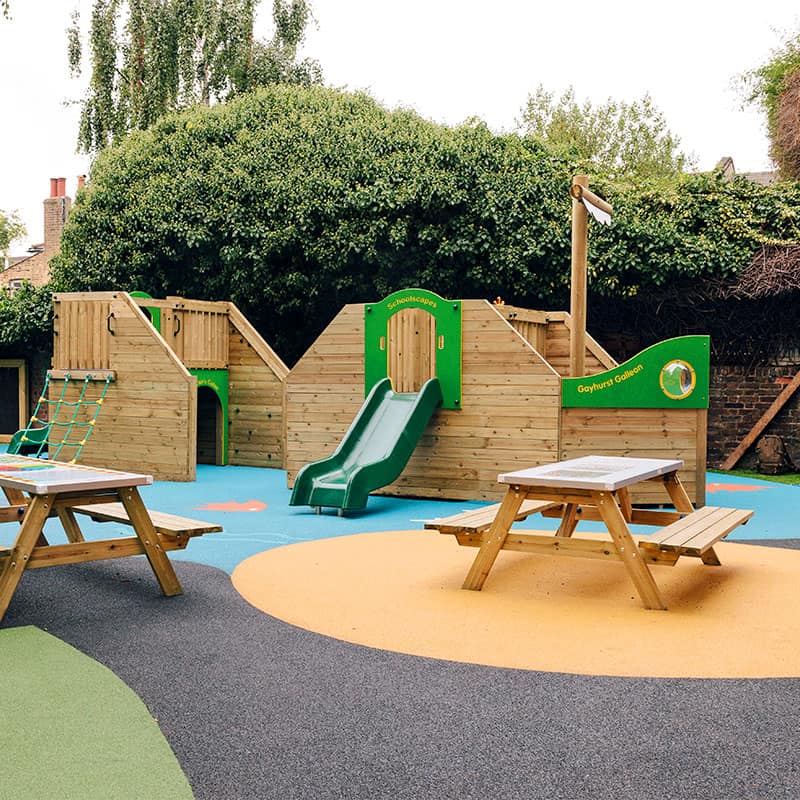
Wetpour rubber is a seamless, poured-in-place playground surface. It combines recycled rubber granules with a polyurethane binder. The result is a soft, shock-absorbing layer under swings, slides, and jungle gyms. Unlike loose-fill options like sand or bark chips, wetpour rubber doesn’t shift or scatter. It stays level, drains quickly after rain, and resists weeds. For busy Johannesburg creches, this means less maintenance and safer daily play. The surface also allows wheelchair access. This makes playgrounds more inclusive for children with different mobility needs.
Why Roodepoort Creches Need Certified Safety Surfacing
South African law takes playground safety seriously. Any equipment with a fall height over 600mm legally requires impact-attenuating surfacing beneath it. This applies to private creches, public schools, and municipal parks alike. Non-compliant surfaces include plain grass, artificial turf without a shock pad, and hard paving. These surfaces cannot absorb enough impact force to protect a falling child. South African standards address safety requirements for play structures and safety matting. They apply to all public playgrounds, schools, and municipalities where a third party is involved. See Masterfibre’s guide to SANS playground standards for the full breakdown. For Roodepoort parents, this means one simple question is worth asking. Does your child’s creche have certified, tested surfacing under every piece of equipment?
Understanding SANS 51176 and SANS 51177
South Africa follows two key national standards for playground safety. SANS 51176 covers the design of play equipment. SANS 51177 covers how surfacing is tested. This second standard sets the testing method for critical fall height. It matches the internationally recognised EN 1177 standard. Roodepoort schools benefit from proven safety science, not guesswork. Read more via PlaySafe’s overview of surfacing compliance. Any installer worth hiring should provide a compliance certificate. This confirms the surfacing meets both standards for your equipment.
Critical Fall Height Explained
Critical Fall Height, or CFH, is the safety metric behind every good surfacing decision. It measures the maximum height a child can fall from without exceeding safe injury thresholds. Every playground surface has a rated CFH based on thickness and material. Taller equipment, like climbing frames, needs thicker rubber underneath. Lower equipment, like toddler swings, needs less depth. Getting this wrong isn’t a small mistake. It directly affects how much force reaches a child’s head during a fall. Some specialists now perform on-site testing to verify these numbers directly. Head Injury Criterion testing measures whether rubber surfacing actually absorbs impact according to SANS requirements, as explained by Kidztrends’ guide to SANS 51176 compliance. This data-driven approach removes doubt about whether a surface truly protects children.
What Happens Without Compliant Surfacing
Skipping proper surfacing isn’t just risky. It’s also a legal liability for creche owners. Playground-related injuries account for a large share of childhood accidents each year. The code of practice for wet-pour surfacing is the current national standard, and many industry professionals remain unaware of the minimum requirements and legal consequences of non-compliance. This gap in awareness puts children at unnecessary risk. Learn more from Building & Decor’s guide to safe play spaces. Common injuries from poor surfacing include fractures, concussions, and friction burns. Falls onto compacted sand or bare ground carry the highest risk. Parents should never assume a playground is safe just because it looks tidy.
Choosing a Trusted Installer in Roodepoort
Not every contractor installing wetpour rubber follows the correct process. Poor installation can void safety performance, even with quality materials. Ground preparation, drainage, and edge finishing all affect long-term safety. Look for installers who specialise specifically in certified playground surfacing. Specialists in SANS 51176 compliant surfacing provide and install certified solutions designed to meet crucial playground fall height requirements, as outlined by Playground Creations’ compliance overview. Ask for proof of certification before signing any contract. Reputable suppliers will also explain the thickness calculations for your specific equipment. If a quote seems unusually cheap, ask why. Thinner, non-compliant rubber is often the hidden cost-cutting method.
Regular Inspections Matter Too
Even correctly installed surfacing needs ongoing checks. Rubber can wear thin in high-traffic areas over time. Drainage holes can clog with debris and reduce effectiveness. Independent playground safety auditors can assess whether a surface still meets standards. Certification for playground safety inspectors is valid for three years, and parents should check whether an inspector’s certification is current. This information comes from the South African Institute for Playpark Safety. Ask your creche how often their playground gets professionally inspected. Annual checks are a reasonable minimum for busy pre-school environments.
Maintenance Tips for Long-Lasting Safety
Wetpour rubber is low-maintenance compared to loose-fill surfaces. Still, it benefits from a few simple care habits. These extend its lifespan and keep it performing safely. Sweep away leaves and debris from drainage points weekly. Check for tears or lifting edges after extreme weather. Remove sharp objects or toys left on the surface daily. Schedule a professional inspection at least once a year. Small cracks are easier and cheaper to fix early. Waiting too long can mean replacing entire sections instead.
Turfgreen Group’s Commitment to Safe Play
At Turfgreen Group, we understand that safety surfacing is never just decoration. It’s a critical protective layer for the children who use it every day. Our wetpour rubber installations follow SANS 51176 and SANS 51177 requirements. We calculate critical fall height for every piece of equipment on site. This ensures the correct rubber thickness protects children accurately. We also provide compliance documentation for creches and pre-schools across Roodepoort. Our team handles ground preparation, drainage, and finishing with the same care as the rubber itself. A surface is only as safe as its weakest installation step. We treat every layer as essential to the final result.
Questions Every Roodepoort Parent Should Ask
Before enrolling your child, it’s worth asking a few direct questions. Does the playground have a current compliance certificate? What is the critical fall height rating for each play structure? Ask when the surfacing was last professionally inspected. Ask who installed it, and whether they specialise in certified surfacing. A confident, documented answer is a good sign. Creches that take these questions seriously usually take safety seriously overall. Hesitation or vague answers should raise a flag. Your child’s safety is worth the extra conversation.
Final Thoughts
Wetpour rubber surfacing does more than cushion a fall. It reflects a genuine commitment to child safety at your chosen creche or pre-school. Understanding SANS standards helps Roodepoort parents ask the right questions. Turfgreen Group installs certified, compliant wetpour rubber surfacing across the Roodepoort area. We’re happy to assess your creche’s current playground and advise on compliance. Reach out to our team to discuss a safer play environment for your children.
Recent Posts:
-
Wetpour Surface Maintenance: Cleaning and Inspection Tips for Facility Managers
-
Wetpour Rubber and Drainage: Handling Gauteng’s Seasonal Downpours Without Pooling
-
Wetpour Rubber for Outdoor Gyms and Wellness Paths in Office Parks
-
Best Instant Lawn Varieties for Full-Sun, High-Traffic Gardens in Midrand
Pingback: artificial grass cost per square metre