
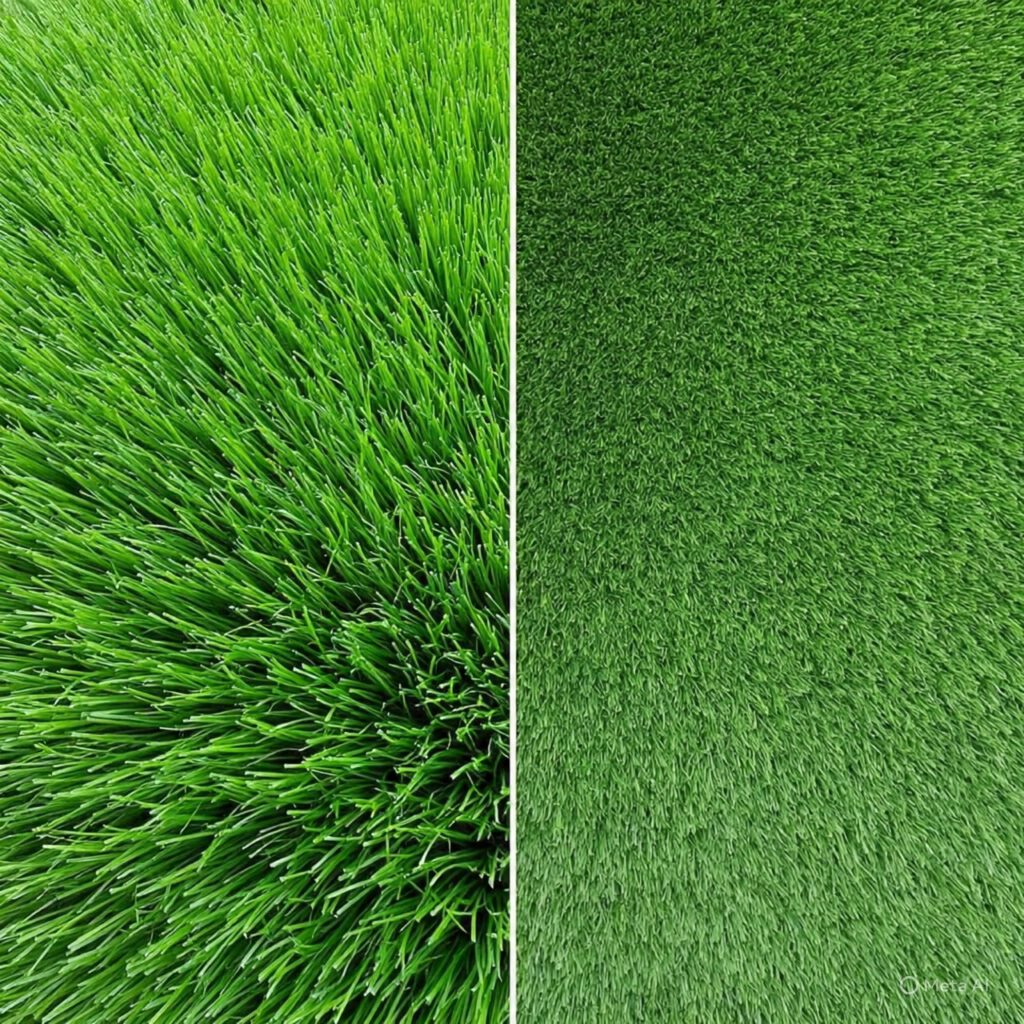
Artificial Grass vs Kikuyu in Roodepoort
Roodepoort summers are hot, dry, and increasingly unpredictable. Homeowners want a lawn that looks good without constant effort. Two options dominate the conversation every year. There’s Kikuyu grass, the traditional favourite on the Highveld. And there’s artificial grass, the newer low-maintenance alternative. Both have loyal supporters and real strengths. But when you consider Roodepoort’s specific summer conditions, one option stands out. This guide compares both honestly. It looks at local watering realities, maintenance demands, and long-term cost side by side.
Why This Question Matters More Every Summer
Roodepoort sits within the Johannesburg Water supply network, and that network is under real strain. Planned Rand Water maintenance has repeatedly affected the Roodepoort system in 2026. This included extended outages at the Eikenhof Pump Station earlier in the year. Reporting on these disruptions describes poor pressure and no water lasting for days. This happened across several affected suburbs at once. For anyone relying on a hosepipe or sprinkler, that’s a direct threat to lawn health. On top of planned maintenance, Johannesburg’s infrastructure is ageing quickly. A significant share of treated water is lost before it even reaches a tap. A detailed breakdown of the city’s water situation notes something striking. Johannesburg exceeds its government water allocation by roughly sixty percent. None of this pressure is going away soon. A lawn that depends on regular watering is a lawn exposed to real risk every summer.
How Kikuyu Performs in Roodepoort’s Heat
Kikuyu has earned its popularity for good reason. It’s tough, it’s affordable, and it copes well with Gauteng’s summer heat. Guidance on Kikuyu’s growing habits confirms it thrives between 25°C and 35°C. That range lines up closely with a typical Roodepoort summer. It spreads quickly, repairs itself after damage, and handles foot traffic well. For years, it’s been the default choice for Highveld gardens. It remains a genuinely solid grass when conditions cooperate. The catch is what “when conditions cooperate” actually requires. Kikuyu needs consistent water to stay green and dense through summer. Without that water, the grass survives, but its appearance suffers noticeably. It stops looking like the lush lawn most homeowners picture in their heads.
Kikuyu’s Water Demands During Summer
This is where Kikuyu struggles in today’s Roodepoort. Water Wise guidance from The Gardener makes an important point here. Kikuyu is considered one of the highest water-using turf grasses available. That’s true despite its reputation for drought tolerance once established. During summer, watering every seven to ten days is typically recommended. This keeps the lawn from browning out under direct sun.
Gauteng-specific advice on surviving summer raises a practical concern worth noting. Inconsistent pump access is a real issue during Rand Water maintenance windows. This makes a reliable watering schedule genuinely difficult to maintain. Kikuyu can technically survive a missed watering cycle or two. It does this by going semi-dormant and turning brown temporarily. But a brown lawn defeats much of the purpose of having one at all. In a summer with scheduled multi-day outages, missed cycles aren’t rare. Several in a row are becoming a predictable part of the season.
There’s also the official rulebook worth considering here. Johannesburg Water’s own restriction policy prohibits garden watering between 6am and 6pm in summer. It also bans hosing down paved areas entirely, year-round. Keeping a thirsty Kikuyu lawn healthy within these narrow windows takes discipline. It also requires a working irrigation system unaffected by the next outage.
How Artificial Grass Handles Roodepoort Summers
Artificial grass sidesteps this entire problem from the start. It doesn’t need watering to survive, and it doesn’t need watering to look good. Through a heatwave, a drought, or a week-long Rand Water outage, the result is the same. An artificial lawn simply looks exactly as it did before. There’s no dormancy, no browning, and no anxious checking of the sky for rain. Modern artificial grass is also built to handle direct Highveld sun well. Quality products use UV-stabilised fibres designed for high-sunlight climates like Gauteng’s. It stays a consistent green throughout summer, whatever the weather does outside. For a homeowner tired of watching their lawn track the forecast, that consistency matters. It’s arguably the single biggest appeal of switching in the first place.
Maintenance Time: Mowing vs Zero Mowing
Kikuyu’s aggressive growth is part of what makes it effective as a lawn. But that same growth is also a real maintenance commitment every week. During summer, most guidance recommends mowing Kikuyu weekly to keep it tidy. Skip a week or two, and it can quickly turn overgrown and unruly. It also needs regular fertilising, occasional dethatching, and consistent edge control. Without that edge control, it spreads readily into flower beds and pathways. Artificial grass needs none of this ongoing attention or equipment. There’s no mowing, no fertilising, and no edge control required at all. Occasional brushing and rinsing keeps it clean and looking fresh. That’s a fraction of the time Kikuyu demands across an entire season. For homeowners who want their weekends back, this difference adds up fast.
Appearance Through the Season
A well-watered, well-maintained Kikuyu lawn genuinely looks excellent at peak summer. That much isn’t in dispute, and it deserves credit. The real problem is consistency across an entire season, not any single week. Kikuyu’s appearance rises and falls with water access and mowing schedule. It also shifts with whatever the current weather pattern happens to be. A missed watering week shows up visibly within just a few days.
Artificial grass holds its appearance regardless of what summer throws at it. It looks the same in November as it does in February. This holds whether Roodepoort is mid-heatwave or mid-outage. For anyone hosting events, selling a home, or simply wanting reliability, that predictability matters. A lawn that always photographs well removes one more thing to worry about.
Cost Comparison Over Time
Kikuyu is cheaper to install initially, which is a fair point in its favour. But the ongoing costs add up steadily across several years of ownership. Water usage, fertiliser, mowing equipment, or a gardening service all carry recurring costs. Occasional pest or disease treatment adds further expense on top of that. During a summer of frequent outages, some households spend more still. Emergency water storage or tankered water becomes necessary just to keep the lawn alive.
Artificial grass costs more upfront, but it carries minimal ongoing expense afterward. There’s no water bill impact, no recurring mowing service, and no fertiliser purchases. Over a lawn’s typical multi-year lifespan, that upfront gap often narrows considerably. This is especially true as Johannesburg’s water pressures show no sign of easing soon.
What About a Hybrid Approach?
Some Roodepoort homeowners aren’t ready to give up grass entirely. A hybrid garden is worth considering here. Keep a small Kikuyu section for kids or pets to play on. Convert high-visibility, high-stress areas to artificial grass instead. Think driveways, side pathways, or the strip beside a pool. This cuts your total water demand without losing green space altogether. It also concentrates your Kikuyu maintenance into a smaller, more manageable area. For many households, this middle path offers the best of both worlds.
Environmental and Practical Considerations
Every water-saving choice matters more as Gauteng’s supply pressures continue. Reducing garden watering eases pressure on an already strained municipal system. It also protects your own household from the inconvenience of failed irrigation. Artificial grass does still get warm underfoot on the hottest days. This is worth knowing if you have young children or pets outdoors often. Rinsing it down occasionally helps manage heat and keeps it looking fresh. Choosing a lighter-coloured or shaded product can also reduce surface heat noticeably.
Which Should You Choose for Your Roodepoort Home?
Some households are in a genuinely good position with Kikuyu. If you have reliable borehole water and enjoy regular garden maintenance, it remains solid. A lawn that responds to the weather isn’t a dealbreaker for everyone. Under the right conditions, Kikuyu is still a proven, well-loved choice.
But if you’re relying on municipal water, the calculation shifts noticeably. This is especially true in a suburb affected by Rand Water’s maintenance schedule. A lawn that needs consistent watering depends on infrastructure you don’t control. Artificial grass removes that dependency completely, at a higher upfront cost. In exchange, you get a lawn that simply performs, summer after summer. It does this regardless of what the water supply happens to be doing.
For most Roodepoort homeowners weighing this decision today, the answer is becoming clearer. Artificial grass increasingly looks like the more resilient long-term choice. Turfgreen Group installs artificial grass across Roodepoort and Midrand. Every installation is built to handle Gauteng’s summer sun directly. It’s also built specifically around the region’s ongoing water uncertainty. Wetpour rubber and instant lawn options are also available for gardens that need a different finish. If you’re ready for a lawn that doesn’t depend on the next Rand Water notice, now’s the time. Getting a quote before the next heatwave arrives means one less thing to worry about this summer.
Recent Posts:
-
Cost Breakdown: Artificial Grass Installation Pricing in Gauteng in 2026
-
Artificial Grass Lifespan in Gauteng: How UV Resistance Protects Your Lawn
-
Artificial Grass for Complexes and Estates: Low-Maintenance Solutions for Body Corporates
-
Hybrid Landscaping for Mixed-Use Estates: Combining Instant Lawn, Artificial Grass and Wetpour