Pet-Friendly Artificial Grass: Odour Control and Drainage for Roodepoort and Midrand Homes
Every dog owner knows the struggle. Natural lawns turn patchy, muddy and smelly within months. Urine burns the blades. Digging paws create craters. After a Highveld thunderstorm, the garden becomes a swamp. Pet-friendly artificial grass solves these problems. It stays green all year. It drains quickly. With the right installation, it also stays fresh. For homeowners in Roodepoort and Midrand, it is a practical upgrade. This guide explains how odour control and drainage really work. You will also learn how to choose the right system for your home and your pets.
Why Roodepoort and Midrand Pet Owners Are Choosing Artificial Grass
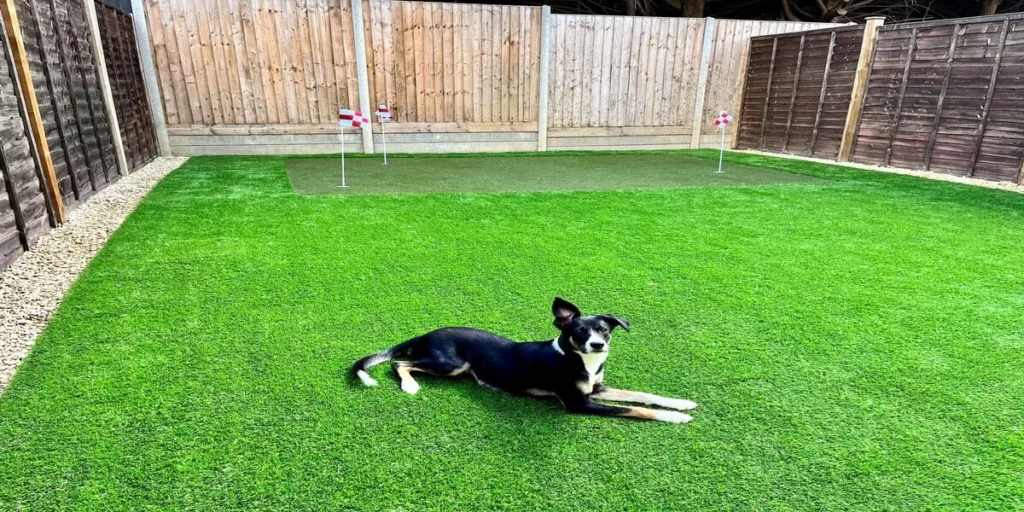
Gauteng homes face a tough combination of conditions. Summers bring heavy afternoon storms. Winters are dry and frosty. Natural lawn grasses struggle through both extremes. Add two dogs, and the lawn rarely recovers. Many properties in Roodepoort and Midrand also have compacted, clay-rich soil. This soil holds water instead of releasing it. Puddles form, and mud gets tracked through the house. Pets carry that dirt onto couches and beds. Water costs add another pressure. Johannesburg residents face tariff increases and occasional restrictions. Rand Water regularly encourages households to reduce garden irrigation. Artificial grass needs no watering, so it saves money every month. Modern pet-friendly artificial grass also protects your family. There are no pesticides, no fertiliser burns and no muddy paws. Your dog gets a clean, safe space to play all year.
How Pet-Friendly Artificial Grass Controls Odour
Odour is the number one concern for pet owners. It is also the most misunderstood. Good odour control starts with the design of the whole system, not just the grass.
Why Urine Causes Smells
Dog urine contains urea and ammonia compounds. On a natural lawn, soil bacteria break these down slowly. Much of it burns the roots and leaves yellow patches. On artificial grass, urine passes through the backing and into the base layer. If the base drains poorly, urine lingers. Bacteria then multiply, and the smell builds up. That is why cheap installations often stink after a few months. The fix is simple. Urine must flow away quickly, and the surface must be rinsed regularly. Airflow and drainage do most of the work. Heat amplifies smells. Warm weather speeds up bacterial growth, so summer needs extra attention. Rinse the lawn more often between December and March.
Infill and Antimicrobial Solutions
Many pet owners now choose specialist infill. Zeolite-based infill is designed to trap ammonia molecules and release them during rinsing. Antimicrobial-coated sand slows bacteria growth. Both options reduce odour noticeably in warm weather. Some turf fibres also include antimicrobial treatments. These help limit bacteria on the surface. Ask your installer which products suit your dog’s size and habits. A small terrier needs far less protection than two Labradors. Avoid plain silica sand alone if you have several dogs. It offers no odour protection. It also compacts over time and slows drainage.
Drainage: The Foundation of a Fresh Pet Lawn
Drainage decides whether your artificial lawn thrives or fails. Without it, water pools, odour grows and the turf can lift at the edges.
Permeable Backing and Perforations
Quality pet turf has a perforated or fully permeable backing. Water passes through the entire surface, not just a few holes. Ask for drainage rates in litres per square metre per hour. Good turf handles even intense Highveld downpours. Avoid turf with a solid latex coating and only a few drainage holes. It may look similar in the showroom. In heavy rain, it behaves very differently.
Sub-Base Preparation for Highveld Soil
The layers beneath the grass matter even more. A proper installation excavates the old lawn first. Installers then lay a compacted stone base, often 50 to 100 mm deep. This layer works like a filter. Water drains through the stone and into the soil below. On heavy clay, installers may add fall or drainage channels. That prevents pooling near walls and patios. Slope also helps. A gentle gradient of roughly one to two percent guides water away from the house. It also helps urine drain to the lowest point. Never lay turf directly on flat, compacted clay. Gauteng sits in a summer rainfall region, according to the South African Weather Service. Drainage must cope with sudden, intense downpours, not gentle showers. Plan for the worst storm of the season.
Choosing the Right Turf for Dogs and Cats
Not all artificial grass suits pets. Compare products carefully. Each feature affects comfort, durability and hygiene. Pile height matters first. A shorter pile of 25 to 35 mm resists matting and cleans easily. Longer pile feels luxurious but traps more hair and debris. Active dogs suit shorter turf. Fibre density and stitch rate come next. Dense turf resists digging and flattening. Strong yarn also survives claws and running. Look for tough polyethylene or nylon-blend fibres in high-traffic gardens. Colour and heat also count. Dark turf absorbs more sun. In Gauteng summers, surfaces can become hot for paws. Choose heat-reflective fibres and provide shade near play areas. Finally, check safety credentials. Choose lead-free, non-toxic turf that suits children and animals. Reputable suppliers can provide test certificates on request. The Synthetic Turf Council offers useful industry guidance on materials and maintenance.
Installation Tips for Roodepoort and Midrand Homes
Professional installation protects your investment. Good installers survey your garden before quoting. They check soil type, slope, existing drainage and how your pets use the space. Pay attention to the areas pets use most. Dogs often choose the same corner every day. Reinforce this zone with extra infill and a slightly deeper stone base. That makes cleaning easier. Edges need care too. Secure edging prevents digging and stops turf lifting at fence lines. Add a weed membrane to block growth from below. Fill any gaps under gates so dogs cannot burrow. Consider your property type. Townhouses in Midrand estates often have small courtyards and balconies. Here, drainage outlets and rinse access are essential. Larger Roodepoort gardens offer more room for run areas and shaded rest zones. Always respect stormwater guidelines from the City of Johannesburg. Also check estate rules. Many complexes in both areas have architectural guidelines. Confirm approval with your body corporate or homeowners’ association before installation.
Cleaning and Maintenance for a Fresh Lawn
Maintenance is simple, but consistency matters. Remove solid waste daily. Use a bag or scoop, and rinse the area afterwards. Hose down urine spots at least twice a week in summer. Do it daily if you have several dogs. Water flushes ammonia through the turf and base. Once a month, use a pet-safe enzymatic cleaner. Enzymes break down organic waste rather than masking the smell. Avoid bleach and harsh chemicals. They can damage fibres and harm your pets. Brush the turf every few weeks with a stiff broom. This lifts flattened fibres and redistributes infill. It also removes hair and leaves. A leaf blower works well on larger lawns. Regular vet visits complete the picture. Healthy pets produce healthier waste. The South African Veterinary Association offers guidance on responsible pet care. The NSPCA also shares welfare advice for keeping animals comfortable in hot weather.
Is Artificial Grass Safe for Pets?
Safety is a fair concern. Quality pet turf uses non-toxic, lead-free materials. It contains no pesticides or fertilisers, which often irritate paws and stomachs. Some dogs chew grass out of boredom. Provide toys and exercise to reduce this habit. Most pets adapt within days. Many dogs and cats happily nap on artificial lawns. Heat is the main risk. Test the surface with your hand on hot days. If it feels uncomfortable, rinse it with water first.
Cost and Long-Term Value
Artificial grass costs more upfront than sod. However, the long-term savings add up. You stop paying for water, fertiliser, mowing and lawn repairs. Quality turf typically lasts many years with proper care. Lifespan depends on foot traffic and sun exposure. Savings on water and garden services can offset a significant part of the initial cost. Cheap turf is a false economy. Poor drainage, weak fibres and thin backing fail early. Replacing them costs more than buying quality once. Request a detailed quote comparing materials, base depth and infill type.
Common Mistakes to Avoid
Several errors appear repeatedly. Skipping the stone base is the biggest one. Without it, water pools and smells develop quickly. Another mistake is choosing turf without checking drainage specifications. Homeowners also forget shade, which leaves surfaces uncomfortably hot. Finally, some skip infill to save money. That reduces weight, odour control and comfort.
Get Pet-Friendly Artificial Grass in Roodepoort and Midrand
Pet-friendly artificial grass gives you a clean, green lawn without the mud and smell. Success depends on three things. You need permeable turf, a solid base and the right infill. Turfgreen Group designs installations around Gauteng’s climate and your pets’ habits. The team assesses your garden, recommends suitable materials and puts drainage first. Ready to enjoy a fresher garden? Contact Turfgreen Group today for a consultation and quote. Your pets, and your carpets, will thank you.
Recent Posts:
-
Why Load Shedding-Proof, Water-Wise Gardens Are Pushing Midrand Homeowners Toward Synthetic Lawns
-
Wetpour Rubber for Outdoor Gyms and Wellness Paths in Office Parks
-
Wetpour Rubber and Drainage: Handling Gauteng’s Seasonal Downpours Without Pooling
-
Creative Small-Garden Ideas Using Artificial Grass for Midrand Townhouses